Life can get busy, overwhelming and downright exhausting. Sometimes, our bodies quietly whisper that they’re struggling to keep up, other times, they shout it loud and clear. But in the chaos of everyday life, it’s easy to ignore these signs until they become too big to brush aside.
The good news? You don’t have to wait until burnout or injury forces you to stop. By paying attention to what your body is telling you, you can step in early, reset and restore balance. One way people are finding that reset is through practices like Contrast Therapy, alternating hot and cold treatments to give your body and mind a full recharge.
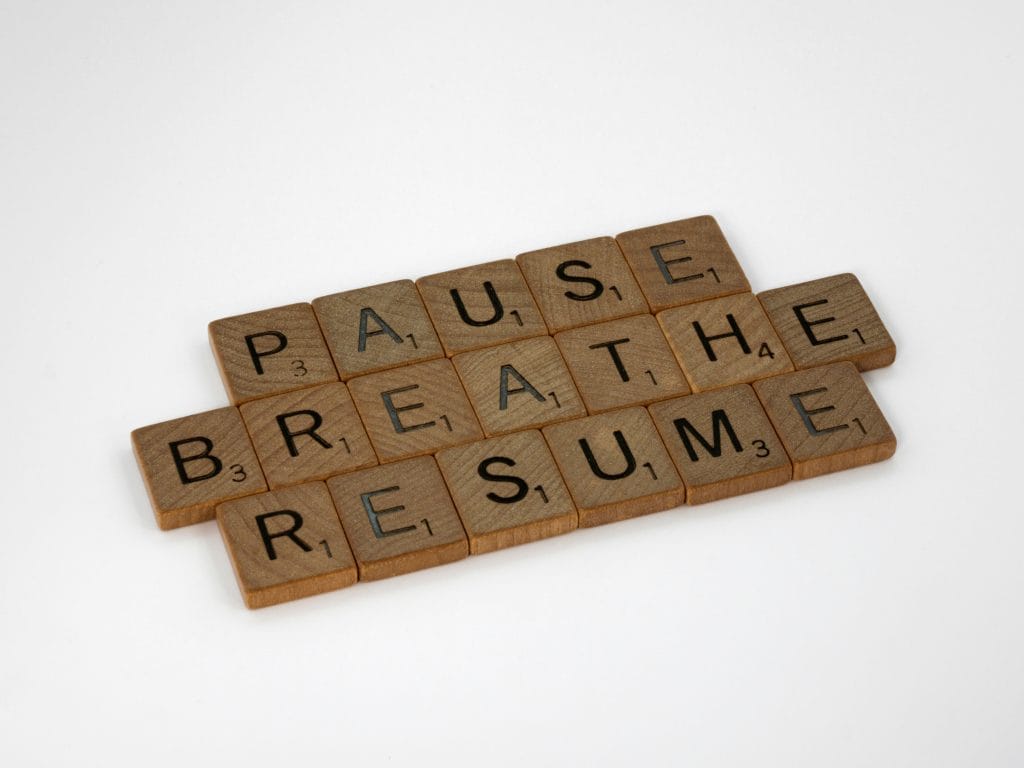
Here are five key signs your body might be asking for a reset and what you can do about them
- Tired all the time? Your body’s cry for rest
Do you wake up groggy no matter how early you go to bed? Or rely on caffeine to simply feel “normal”? Fatigue is one of the clearest signs your body is overworked and under-recovered.
Poor-quality sleep, high stress and too much screen time can all take their toll. Over time, your nervous system stays stuck in “fight or flight” mode, making true rest harder to reach.
Reset tip: Build small rituals into your day that signal “rest” to your body. This might mean dimming the lights in the evening, swapping scrolling for reading, or trying practices that calm the nervous system.
- Aches that won’t quit
Aches, stiffness, and niggling pains are normal occasionally, but if they’re constant, it could mean your body isn’t recovering well. Maybe you’ve been training hard at the gym, sitting for too long at a desk, or just carrying the stress of daily life in your shoulders and back.
When recovery is low, inflammation builds up, leaving you feeling sore and sluggish. Ignoring this can increase your risk of injury or slow you down in your favourite activities.
Reset tip: Gentle movement like stretching, yoga, or walking can help release tension. If you want a deeper recovery boost, therapies that increase circulation and reduce inflammation can be game-changers. Consistent feedback from our members is that switching between the hot of the sauna and the cold of the plunge pools helps to reduce swelling and leaves muscles feeling lighter and more mobile.
- Flat mood and low energy
If you’re snapping at the little things or just feeling “meh” for no reason, it could be a sign your mental and physical wellbeing are out of sync. When stress hormones stay elevated, it impacts mood, energy and even motivation.
Feeling flat is your body’s way of saying it needs a break, not just physically, but emotionally too.
Reset tip: Getting outdoors, connecting with loved ones and unplugging from technology can lift your mood. Cold water exposure (whether that is in a lake, river, the sea or plunge pool) has also been shown to trigger endorphins, those “feel-good” hormones that naturally improve your outlook and resilience.
- Brain fog and scattered focus
Brain fog, forgetfulness and a lack of concentration often come when your nervous system is overtaxed. Stress diverts energy away from cognitive function, leaving you feeling scattered and unproductive.
If you’re finding it hard to get through tasks that once felt simple, it might be a sign your body (and brain) need a reset.
Reset tip: Break tasks into smaller chunks and take regular movement breaks during the day to re-energise your brain. Practices that improve circulation and oxygen flow — like movement, breathwork and massage can also help sharpen mental clarity. After these practices, people often describe feeling more alert and focused, as if the cobwebs in their head have been swept away.
- That “heavy” feeling you can’t shake
Sometimes, it’s not one specific pain or symptom, it’s just an overall sense of heaviness. You might feel drained, sluggish, or like you’re moving through life on low battery. This often happens when stress, poor recovery and inflammation build up over time.
Your body is clever: it gives you signals before it fully burns out. That heavy, weighed-down feeling is often the final nudge that something needs to change.
Reset tip: Start with simple lifestyle shifts: drink more water, prioritise whole foods, and move daily, even if just for 10 minutes. To really kickstart a reset, practices like a digital detox (a full 24-48 hours without screens, notifications, or social media allows the nervous system to drop out of “always on” mode), or fasting with professional support can give your body a “full-system” refresh.

Why resetting matters more than ever
We live in a culture that often glorifies being busy, but constant busyness without proper recovery leaves us running on fumes. Your body is always talking to you: through energy, mood and aches. Learning to listen and act early means you don’t just avoid burnout; you unlock more vitality, focus and joy in your daily life.
At Rejoov, we found that contrast therapy isn’t a magic cure-all, but it’s one of many powerful tools to help you hit “reset” when your system is overloaded. Combined with good sleep, nourishing food and mindful habits, it helps restore balance from the inside out.

If these signs sound familiar, it might be time to give your body the reset it’s been asking for. Our 21 Days of Wellness Challenge is designed to help you build a consistent routine by habit staking, boost recovery and reconnect you with your energy — all in just three weeks.
You’ll not only experience the benefits of contrast therapy but also track how your sleep, mood, and recovery improve along the way. Think of it as a guided reset for your whole self, body and mind.
✅ Boost recovery and circulation
✅ Improve sleep and mood
✅ Track your progress and feel the difference